For medical centres across Brisbane, infection control is not optional — it is a fundamental part of patient safety, staff wellbeing, and regulatory compliance. Whether you operate a general practice, specialist clinic, pathology lab, imaging centre, or allied health facility, the cleanliness of your environment directly impacts health outcomes and trust.
In busy Brisbane medical facilities, where patient turnover is high and seasonal illness is common, effective commercial cleaning is one of the most powerful tools for preventing the spread of infection. This article explores why infection control starts with cleaning, what Brisbane medical centres must prioritise, and how professional medical centre cleaning supports safer healthcare environments.
1. Why Infection Control Is Non-Negotiable in Brisbane Medical Centres
Medical centres in Brisbane experience unique challenges, including high patient volumes, humid conditions, and year-round exposure to seasonal illnesses. Patients often attend appointments while unwell, immunocompromised, or recovering from procedures, making infection control critical.
Unlike standard commercial offices, medical facilities contain higher concentrations of pathogens on surfaces such as treatment beds, waiting room seating, reception counters, clinical equipment, and bathroom facilities. Without consistent and professional cleaning, these pathogens can remain active and spread rapidly.
Infection control is not only a clinical responsibility. Environmental hygiene plays a vital role in protecting patients, healthcare workers, and visitors. Poor cleaning practices increase the risk of healthcare-associated infections, staff absenteeism, and reputational damage.
For Brisbane medical centres, cleaning must be viewed as a frontline infection prevention measure, not a background task.
2. High-Touch Surfaces Require Rigorous, Ongoing Disinfection
High-touch surfaces are among the most significant contributors to infection spread in medical environments. These include door handles, lift buttons, light switches, reception desks, armrests, keyboards, phones, taps, and shared equipment.
In a typical Brisbane clinic, these surfaces may be touched hundreds of times each day by patients, staff, and visitors. If not disinfected properly, they become transmission points for bacteria and viruses.
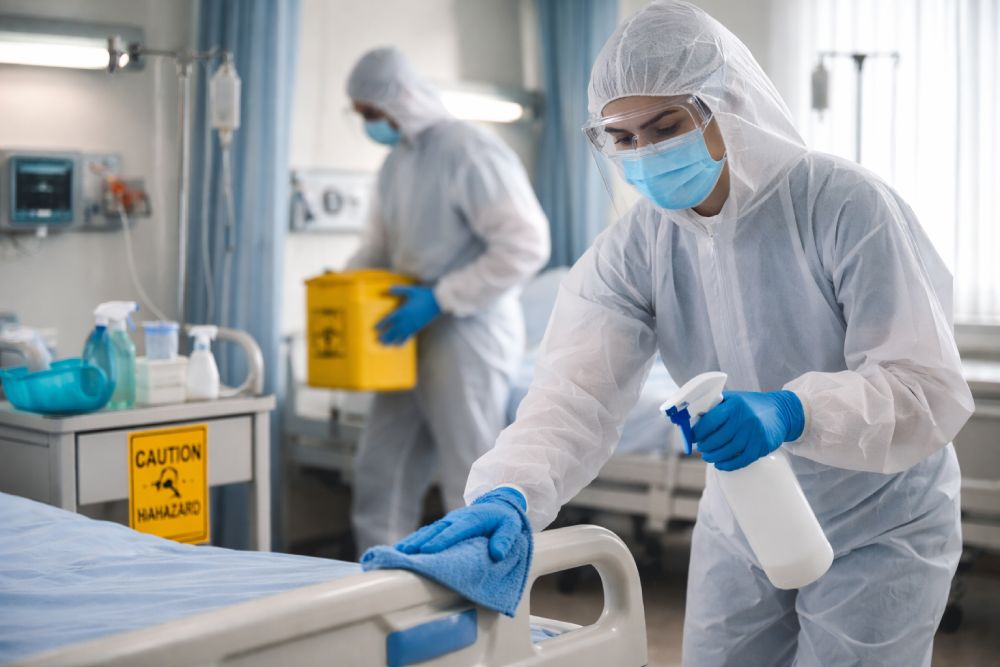
Professional Brisbane medical centre cleaning prioritises these areas using hospital-grade disinfectants, correct dwell times, and structured cleaning checklists. This ensures surfaces are not just wiped, but genuinely disinfected.
Consistency is key. High-touch areas must be addressed daily and often multiple times per day in high-traffic facilities to maintain effective infection control.
3. Medical Cleaning Is Not the Same as Commercial Office Cleaning
One of the most common mistakes made in healthcare environments is assuming that standard commercial cleaning is sufficient. Medical centres require specialised cleaning knowledge, processes, and products.
Medical cleaning involves understanding infection risks, correct chemical use, cross-contamination prevention, and the correct sequence of cleaning tasks. Using the wrong cloth, incorrect dilution, or poor cleaning order can spread pathogens rather than remove them.
Professional medical centre cleaning follows strict protocols designed specifically for healthcare environments. The focus is on hygiene outcomes, not just visual appearance.
4. Consistency and Reliability Support Infection Prevention
Infection control depends on consistency. Inconsistent cleaning creates gaps where bacteria and viruses can survive and multiply.
Brisbane medical centres often operate extended hours, making it essential that cleaning schedules align with operational needs. Reliable cleaning teams, clear task lists, and documented procedures ensure standards are maintained across every visit.
Using the same trained cleaning team improves accountability and consistency. It also allows issues to be identified early and addressed before they escalate into risks.
5. Bathrooms and Clinical Waste Areas Demand Extra Care
Bathrooms are among the highest-risk areas in any medical facility. Moisture, frequent use, and exposure to bodily fluids increase the likelihood of bacterial growth.
Clinical waste areas also require careful handling and cleaning to prevent contamination and ensure compliance with health and safety standards.
Professional Brisbane medical centre cleaning includes structured protocols for bathrooms and waste zones, using appropriate disinfectants, personal protective equipment, and disposal procedures to safeguard patients and staff.
6. Floors and Carpets Affect Hygiene More Than You Think
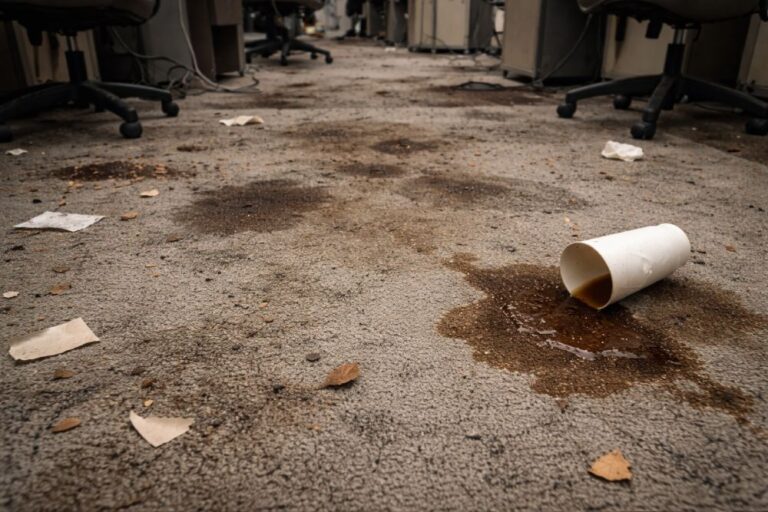
Floors and carpets in medical facilities often go unnoticed in infection prevention strategies, yet they can harbour bacteria, dust, and allergens. In Brisbane’s climate, moisture tracked in from outside can exacerbate these risks.
Hard floors require correct disinfecting methods, while carpets in waiting areas must be regularly deep cleaned to remove embedded contaminants.
Professional floor maintenance reduces airborne particles, improves indoor air quality, and supports overall infection control.
7. Treatment Rooms and Equipment Must Be Cleaned Correctly
Treatment rooms require careful cleaning between sessions to prevent cross-contamination. Surfaces, furniture, and surrounding areas must be disinfected without damaging sensitive equipment.
Professional Brisbane medical centre cleaners understand how to clean around clinical equipment safely while maintaining infection control standards.
Correct cleaning of treatment spaces supports both patient safety and operational efficiency.
8. Cleanliness Builds Patient Trust and Staff Confidence
Patients form immediate impressions based on cleanliness. A clean, fresh medical centre reassures patients that hygiene is taken seriously.
Staff also feel safer and more confident working in clean environments, which supports morale, reduces stress, and reinforces a culture of safety.
Consistent professional cleaning strengthens trust across the entire facility.
9. Compliance, Audits, and Risk Reduction
Brisbane medical centres are subject to regulatory requirements and audits. Cleaning documentation and hygiene standards often form part of compliance assessments.
Professional medical centre cleaning supports audit readiness and reduces risk exposure. It also protects facilities from complaints, investigations, and potential legal issues.
10. Choosing the Right Brisbane Medical Centre Cleaning Partner
Not all cleaners understand medical environments. Infection control requires experience, training, and attention to detail.
A professional Brisbane medical centre cleaning partner understands sanitisation, healthcare compliance, and the importance of reliability. The right partner becomes an extension of your infection control strategy, not a liability.
In Summary
Infection control starts with cleaning, and for Brisbane medical centres, there is no room for compromise. High-touch surfaces, bathrooms, floors, treatment rooms, and waste areas all play a critical role in protecting patient and staff health.
Professional Brisbane medical centre cleaning supports safer environments, stronger compliance, higher staff confidence, and greater patient trust.
If your medical cleaning is being treated like standard commercial cleaning, it may be time to reassess your approach.
📞 Call 1300 854 401 to organise your free quote
🌐 www.brisbanecommercialofficecleaning.com.au/